
If you walked into a collectible store in the last year and saw an empty shelf where the Pokémon cards used to be, or watched a teenager pay USD 1,050 for a holographic Umbreon, you could be forgiven for thinking: okay, this is getting ridiculous.
Maybe it is.
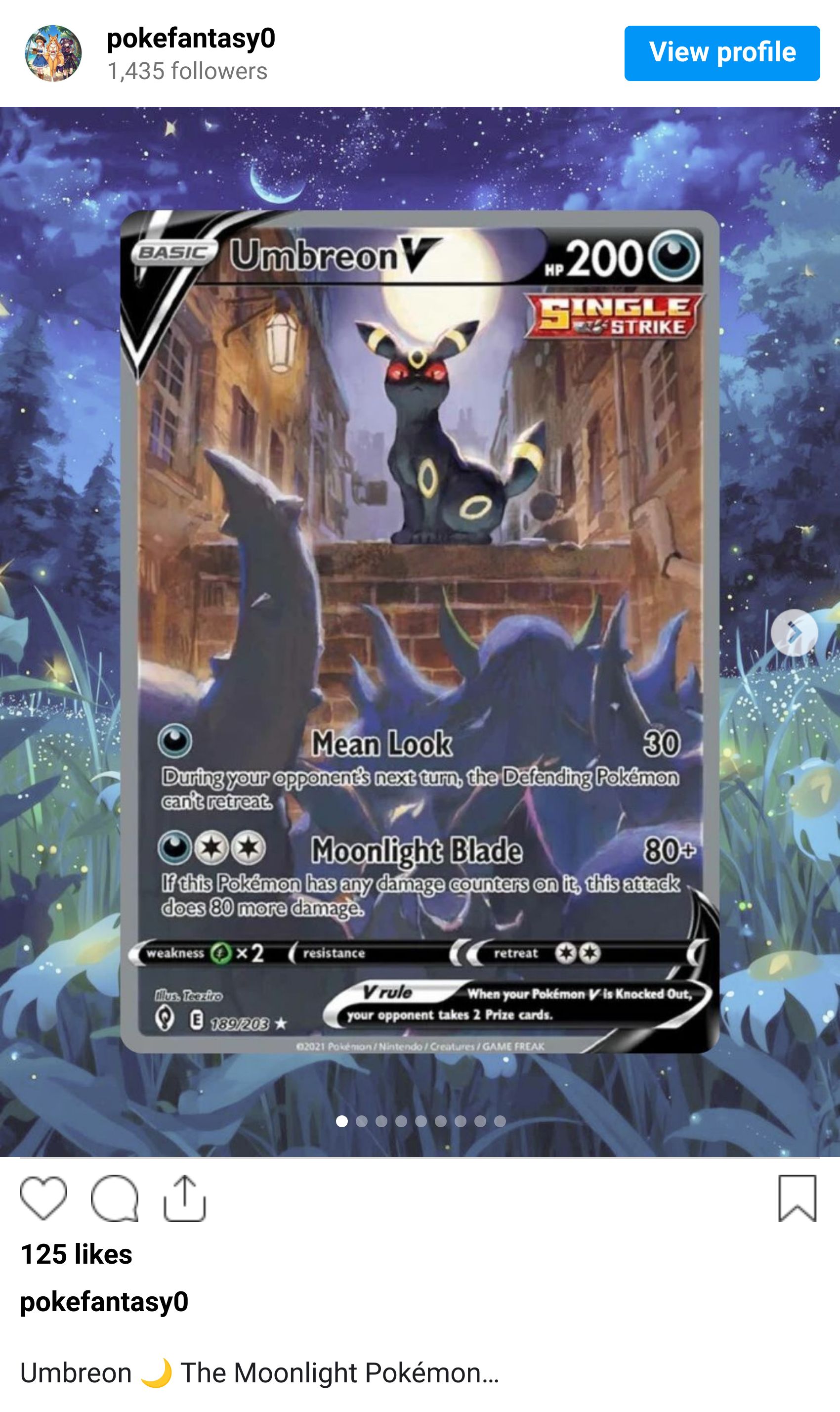
Why is this 30-year-old card game suddenly one of the smartest brand ecosystems in the market? Here are 10 things I realised while going down the Pokémon card rabbit hole.
1. This is not just nostalgia, it’s too huge for that.
The Pokémon Trading Card Game boom of 2025–2026 does not really read like simple childhood sentiment anymore. The global trading card games market hit USD 8.4 billion in 2025 and is projected to reach USD 16.9 billion by 2035 at a CAGR of 6.9%.
The physical segment alone was valued at USD 7 billion in 2025, which feels especially important because it shows physical products are still the main driver even as digital platforms grow fast.
Pokémon commands roughly 12% of the total global TCG market. Asia-Pacific is the fastest-growing region at a CAGR of 12.5%, while North America still holds a 46% revenue share.
So yes, nostalgia is probably part of the emotional texture here. But this looks bigger than a Western “remember your childhood” loop. It looks like a globally expanding category, with Pokémon sitting right at the centre of it.

2. The app did something nobody expected
On October 30, 2024, Pokémon TCG Pocket launched. On paper it sounds pretty standard: open virtual packs every 12 hours, collect digital cards, battle in a simplified format.
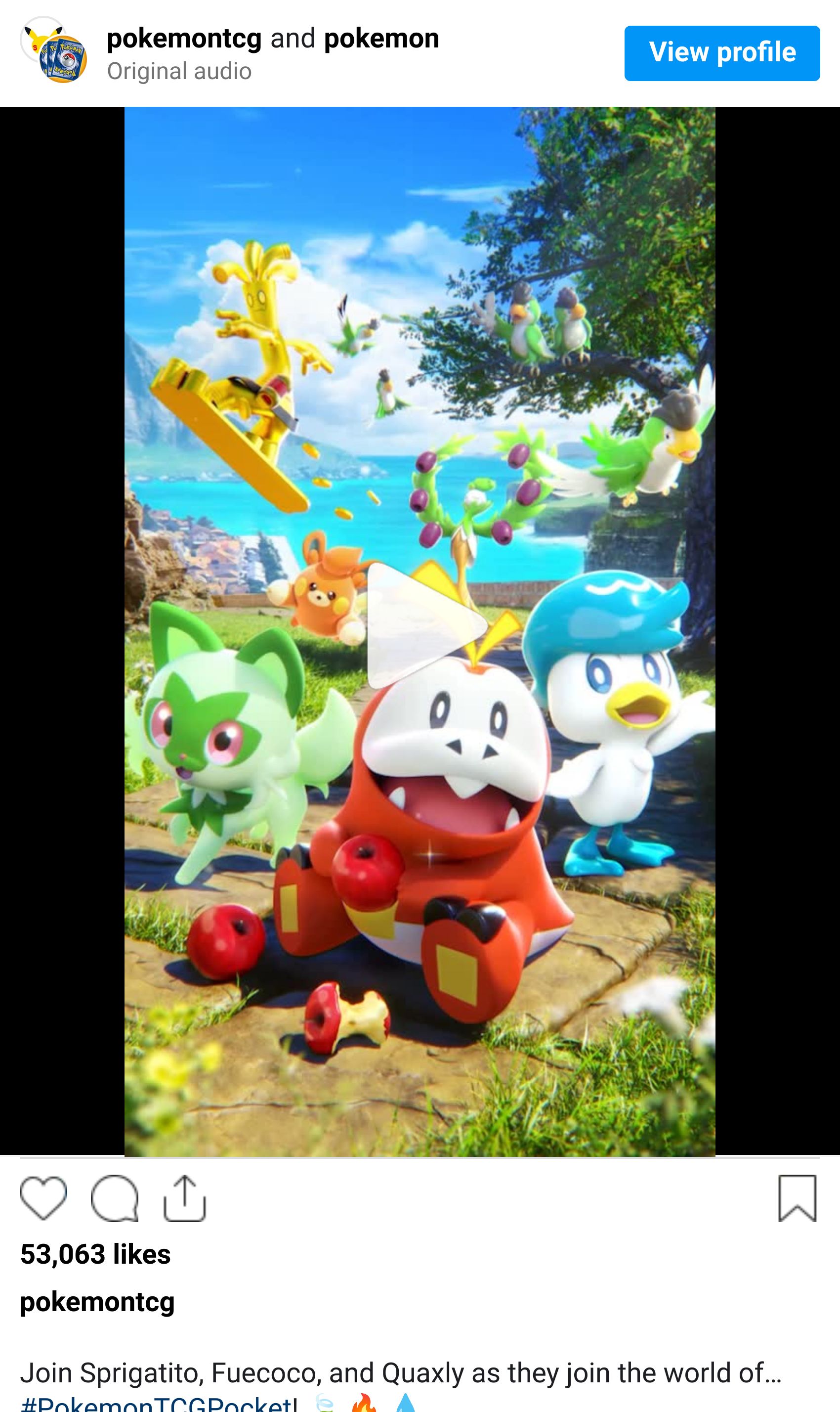
But within its first year, it generated nearly USD 1.3 billion in revenue, surpassed the debut performance of Pokémon GO, reached over 35 million active users, and introduced more than 100 million total players to the card-opening experience.
What is so interesting is that it did not seem to cannibalise physical card sales. It inflated them. Digital users wanted to recreate their virtual collections in real life.
3. Every layer reinforced the next
The entire card craze feels coordinated.
The Pokémon Company International, the game developer DeNA, and the secondary market infrastructure together kept the whole thing moving.
TCG Pocket works as the top of a funnel, introducing users to the emotional hit of pack-opening with zero financial barrier.
Once hooked on that dopamine loop, a meaningful percentage of those 100 million players migrate to physical cards. Resale, grading, and creator culture deepened the value ladder even further.
A lot of brands talk about ecosystems. This actually behaves like one.

4. Scarcity works better when thrill is stratified
The system does not rely only on whales or elite collectors. It works because there are multiple tiers of excitement at once.
There are chase cards worth thousands (Umbreon ex SIR at USD 1,050), mid-range modern hits (Mega Gengar ex at USD 959), and entry-level excitement (every pack could contain something).
This multi-tiered model means the ecosystem captures spending from casual players all the way up to institutional collectors.

5. The anniversary is an activation across generations
The February 2026 Pokémon Presents is a good example of how this brand is not thinking in single moments. It announced:
a new spotlight reveal for Pokémon Legends: Z-A Mega Dimension DLC
a new Generation 10 mainline game for Nintendo Switch 2 called Pokémon Winds and Pokémon Waves
a Game Boy Jukebox mini music player aimed at adult nostalgia
a new competitive game, Pokémon Champions, designed to unify the franchise’s mechanics
What stood out to me is that each seemed designed for a slightly different audience. It was not just “look, we are turning 30” campaign. It was a coordinated multi-platform activation designed to reach different generations of fans simultaneously.
Every announcement touches a different demographic. None of it is accidental.

6. The creator ecosystem as infrastructure
In Pokémon TCG, creators do not just feel like people promoting the thing. They feel like part of how the market itself functions.
Large opening channels like Leonhart and UnlistedLeaf, each with 2M+ subscribers, are opening booster packs and mystery boxes at scale.
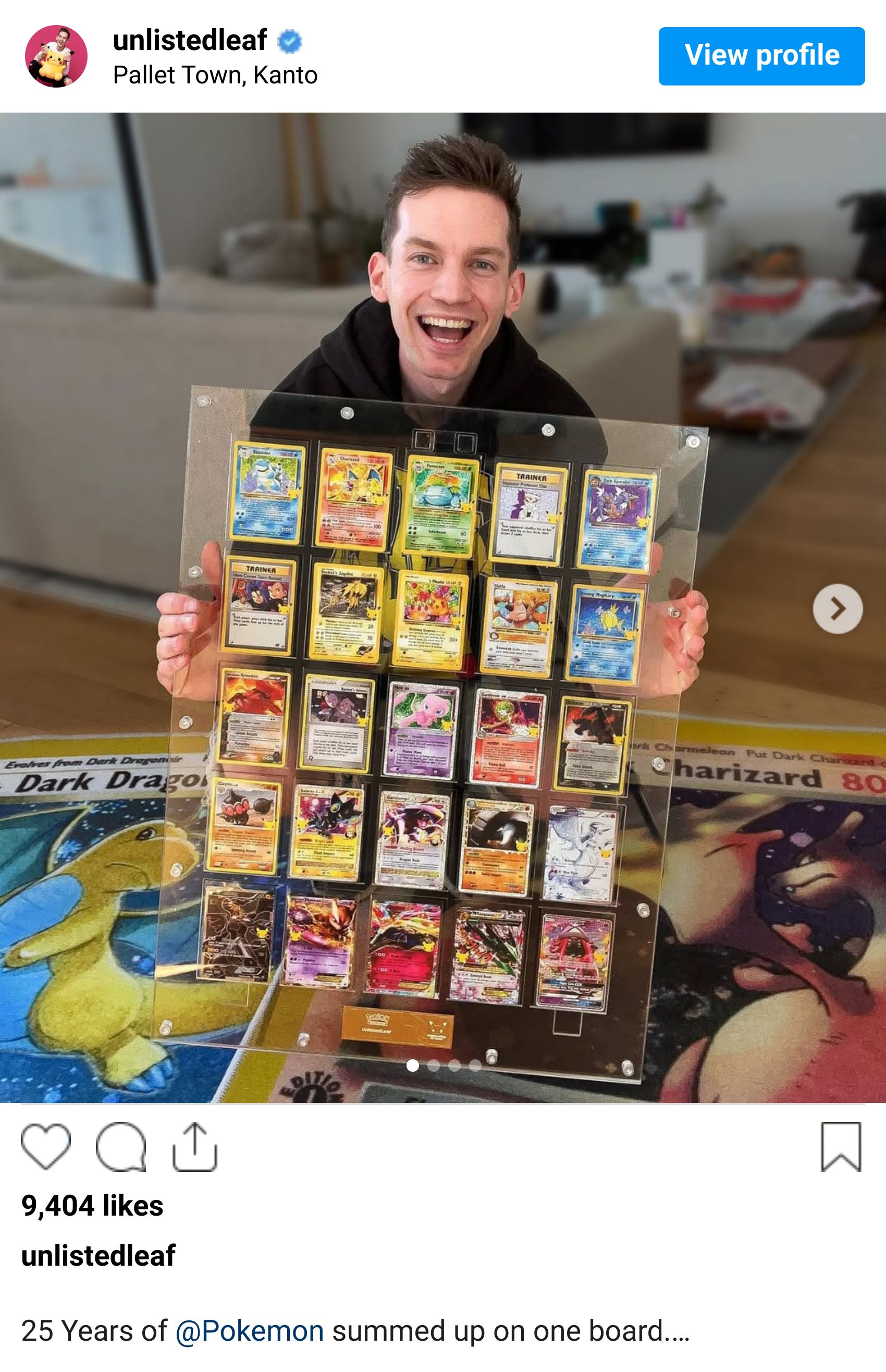
Live selling on WhatNot and eBay Live has made creators and influencers a primary point of sale, with cards selling out almost immediately after being highlighted.
This case study would be incomplete without acknowledging what is genuinely broken about this market.
7. Engineer access alongside desire if you want to protect brand equity ⚠
Things did get messy.
Online stores sold out in seconds. Local game stores received fractions of their requested allocations. Fans ended up competing with scalpers, resellers, and bottlenecks just to participate.
Generating demand without ensuring access created brand resentment.
What I learnt: Scarcity can absolutely work. But only when it feels deliberate, fair, and still connected to real participation.

8. Volatility adds drama, but it can also alienate fans
Some of the secondary market price movements here are extreme. The Moonbreon (Umbreon VMAX from Evolving Skies) peaked above USD 2,000 in September 2025 and slid to USD 1,800 as sales dried up at the higher threshold.
MHR Mega Gardevoir ex briefly reached USD 600 soon after debut, then had fallen to USD 215.96.
That is a lot of volatility for a market that still needs casual fans to feel welcome.

9. The core loop is the real emotional product
One thing this boom makes really clear to me is that the product is not the card or the game. It is the feeling people get from the loop around it.
Its core loop - both the online and offline - was built to feel good in a very repeatable way: open packs, get the suspense, get the hit, then come back and do it again. Add a simplified but still strategic battle system, and suddenly its chemistry.
Many brands still treat the emotional part as something layered on top through marketing. Pokémon shows the opposite. The emotion is built into the product experience itself.

10. So… is it a bubble?
Maybe.
Some analysts think the peak of the current boom cycle passed in late 2025 and that a couple years of stagnation may follow the anniversary high.
Others argue that new price floors have been established and that cheaper debt in late 2026 will drive another price explosion.
I do not think anyone really knows.
What we do know is that Pokémon is showing, in real time, what happens when a legacy brand connects digital desire, physical products, creators, scarcity and secondary market infrastructure into one working system.