
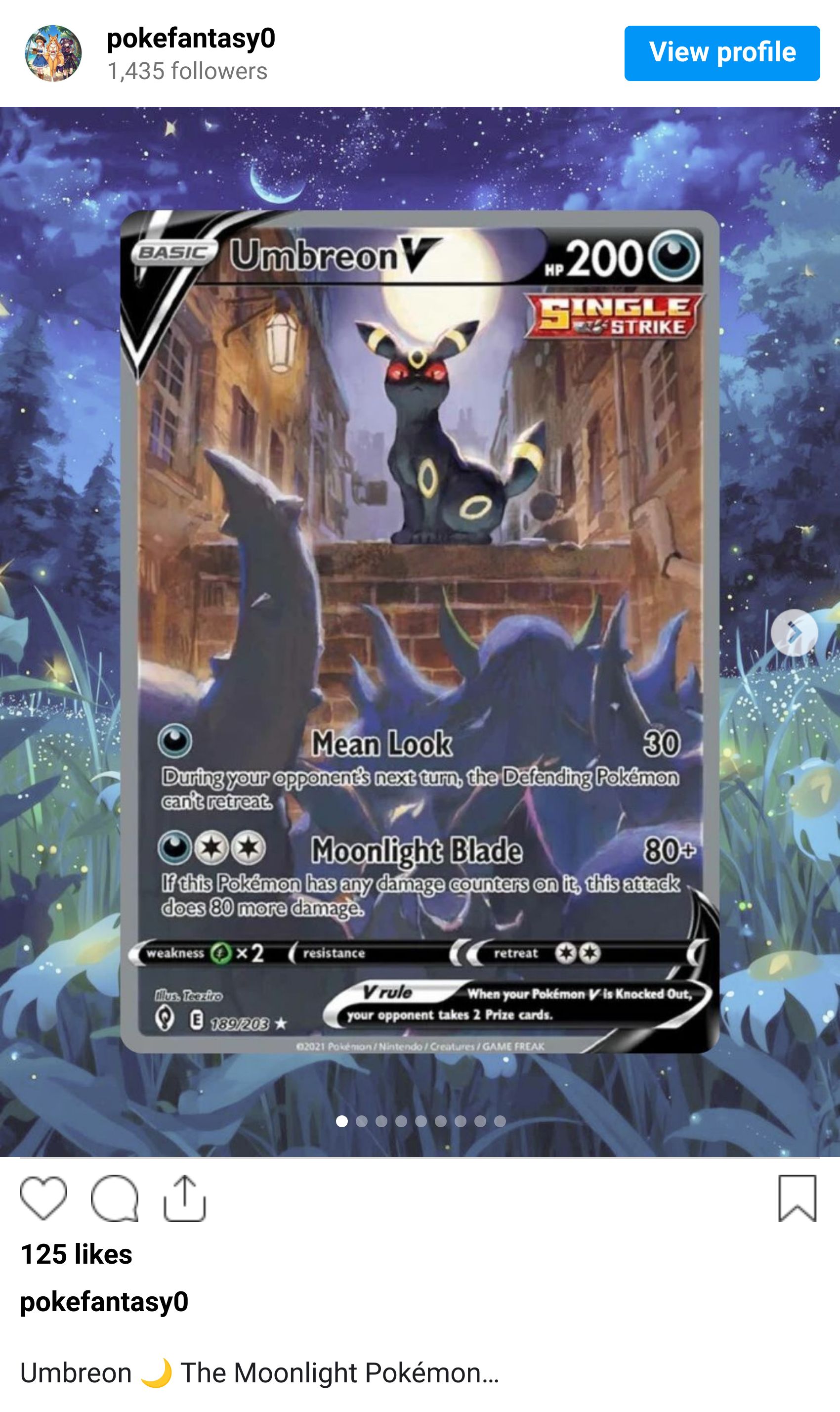
If you have walked into a collectible store in the last year and seen an empty shelf where the Pokemon cards used to be, or watched a 17-year-old pay $1,050 for a holographic Umbreon, you might have thought: is this a bubble? Maybe. But that question actually misses the more interesting thing happening here.
The Pokémon Trading Card Game craze of 2025-2026 is not just nostalgia shopping. It is a fully operational, multi-platform, multi-demographic demand engine.
And it is performing at a scale that should make every marketing leader uncomfortable with how they are currently thinking about brand loyalty, product scarcity, and digital-physical integration.
Let’s walk through what’s really going on here.
The numbers are genuinely unhinged
Let’s start with the macro. The global trading card games market hit USD 8.4 billion in 2025. And it’s tracking toward USD 16.9 billion by 2035 at a CAGR of 6.9%. Within that, the physical segment alone was valued at USD 7 billion in 2025.
Pokemon commands roughly 12% of the total global TCG market.
For context: this is a card game that is literally thirty years old. And it is growing faster now than at basically any point in its history outside of the original 1990s fever dream.
The Asia-Pacific region is the fastest-growing market clocking a CAGR of 12.5%.
North America still holds a 46% revenue share, but the global spread is accelerating. This is not a Western nostalgia play. The world is getting into the game.
The physical segment, valued at USD 7 billion, remains the primary driver despite the rapid growth of digital platforms.

The app did something nobody expected
On October 30, 2024, Pokemon TCG Pocket launched. It is a mobile app where you open virtual packs every 12 hours, collect digital cards, and battle in a simplified format. It sounds like a pretty standard mobile game. It was not.
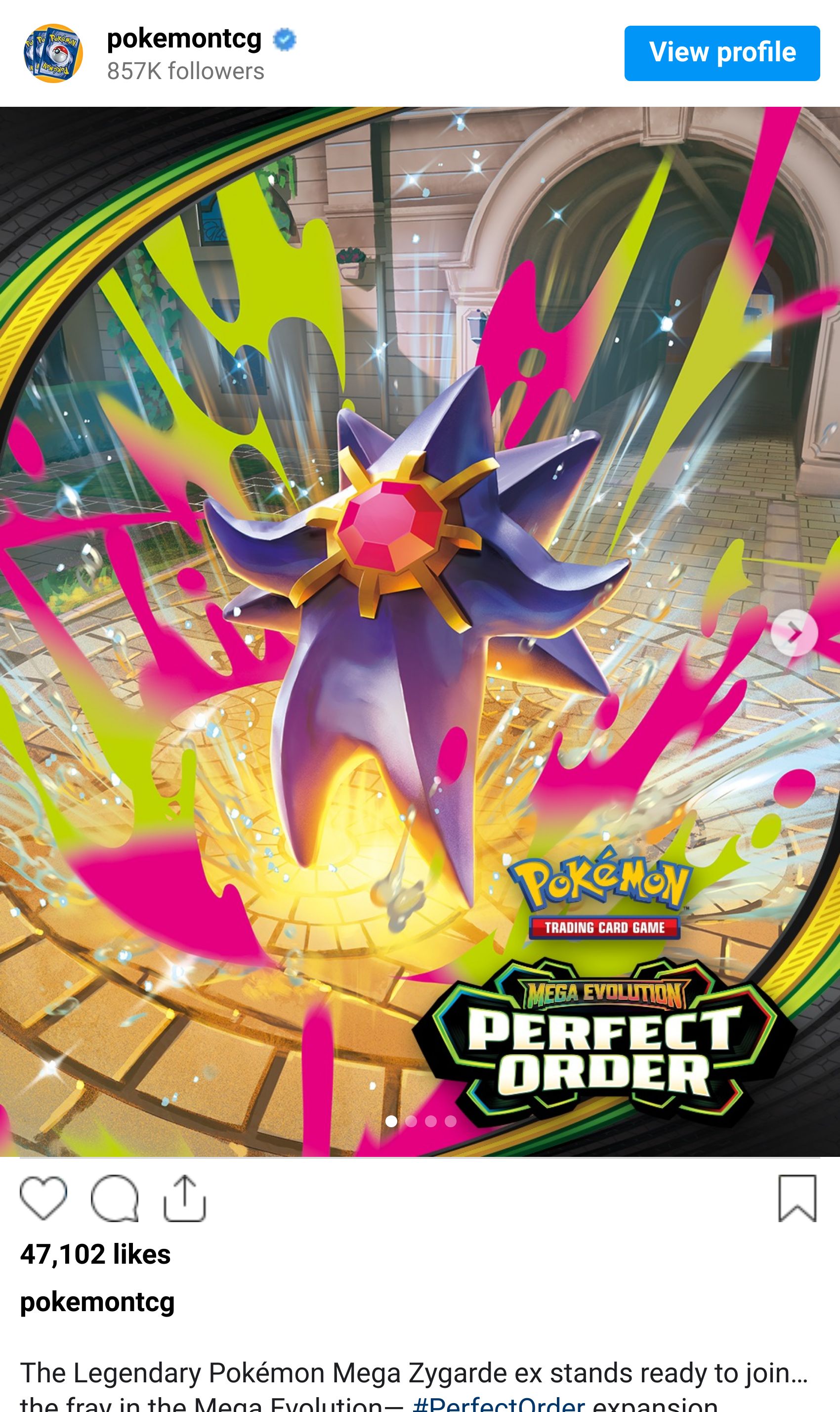
Within its first year, the app generated nearly USD 1.3 billion in revenue – surpassing the debut performance of Pokemon GO. That is one of the most successful mobile game launches in history. Over 35 million active users. Over 100 million total players introduced to the card-opening experience.
But here is the part that should make every product marketer sit up: instead of cannibalising physical card sales, the app inflated them. Analysts described it as having broken the physical market.
Digital users wanted to replicate their virtual collections in real life.
Sealed booster boxes started selling for two to three times their MSRP on the secondary market. Shelves stayed empty.
The developer behind the app, DeNA, saw its gaming segment profits increase by 8,126.8% to 21 billion yen (approximately USD 138.3 million) in the period from April to December 2024. Yes, you read that right 8,126.8%.
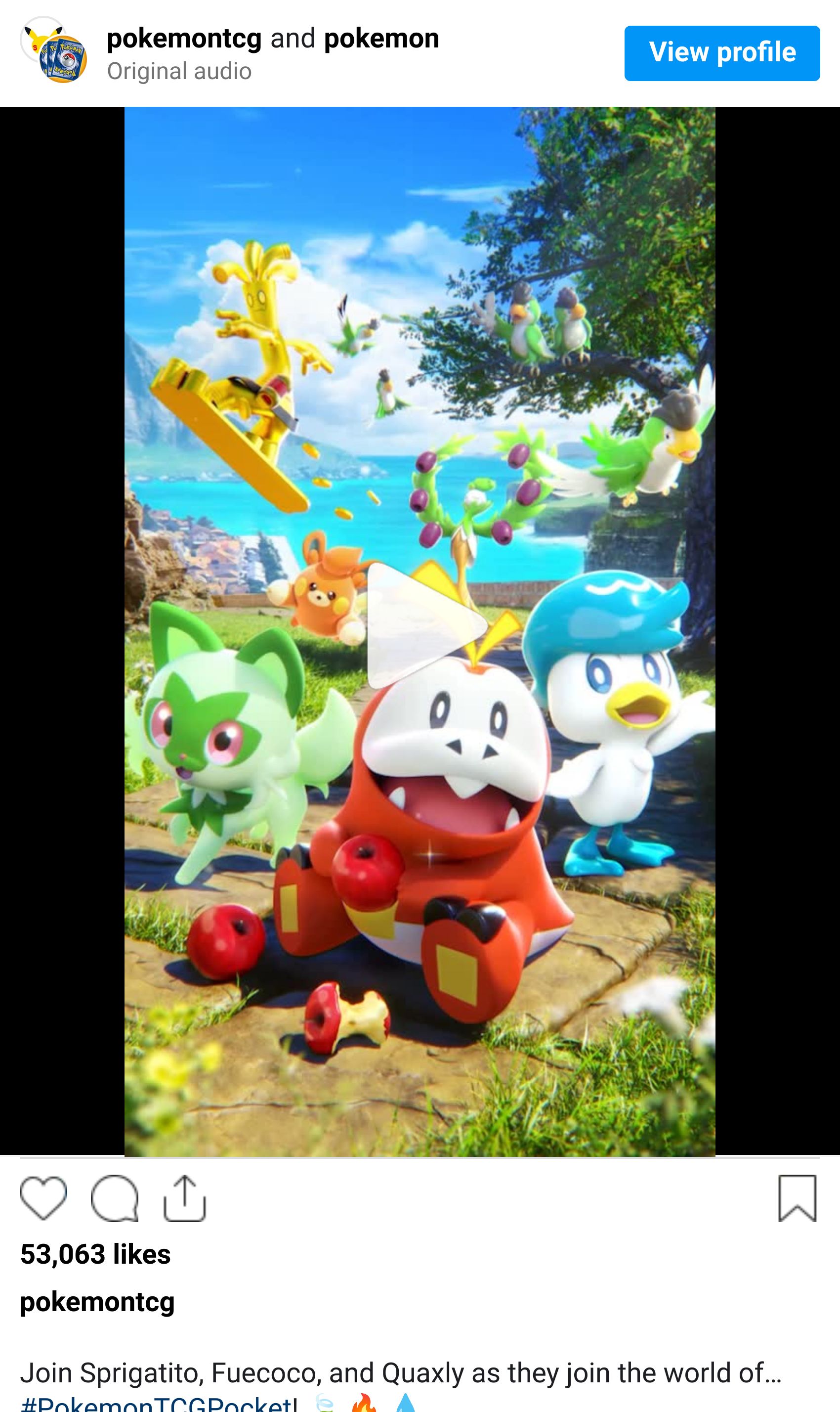
A systems perspective: Engineering the craze
The Pokemon Company International (TPCi) did not stumble into this. There is a coordinated strategic alignment between TPCi, digital developers like DeNA, and the secondary market infrastructure that makes this thing run.
Here is how the system works.
1. The digital-to-physical funnel
TCG Pocket functions as the top of a demand funnel. It introduces players to the emotional hit of pack-opening – simplified, animated, available every 12 hours – with zero financial barrier.
Once hooked on that dopamine loop, a meaningful percentage of those 100 million players migrate to physical cards.
The digital experience does not replace the physical one. It pre-sells it. This is the funnel your brand should be building.
2. Engineered scarcity at multiple price points
The introduction of the Mega Hyper Rare (MHR) rarity in 2025 created what is described as the most punishing pull rates ever recorded in the TCG.
The Ascended Heroes ETBs was flipping for a 135% markup immediately upon release in 2026.
The key insight is that scarcity is engineered across multiple tiers simultaneously. There are chase cards worth thousands (Umbreon ex SIR at USD 1,050), mid-range modern hits (Mega Gengar ex at USD 959), and entry-level excitement (every pack could contain something).
This multi-tiered model means the ecosystem captures spending from casual players all the way up to institutional collectors.
3. The anniversary as an activation event
The February 2026 Pokémon Presents announced:
Pokémon Legends: Z-A Mega Dimension DLC got a new spotlight reveal
a new Generation 10 mainline game for Nintendo Switch 2: Pokémon Winds and Pokémon Waves
a Game Boy Jukebox mini music player targeting adult nostalgia
a new competitive game, Pokemon Champions, unifying the franchise’s mechanics
Every announcement touches a different demographic. None of it is accidental.
The 2026 anniversary is a coordinated multi-platform activation designed to reach every generation of fan simultaneously.
4. The influencer ecosystem as infrastructure
By 2025, creator marketing had grown to USD 33 billion globally, with brands reallocating nearly two-thirds of their traditional marketing budgets to creator-focused strategies. In the Pokémon TCG space, this has evolved into something more structural than paid promotion.
Large opening channels like Leonhart and UnlistedLeaf, each with 2M+ subscribers, are unboxing mystery boxes and opening booster packs.
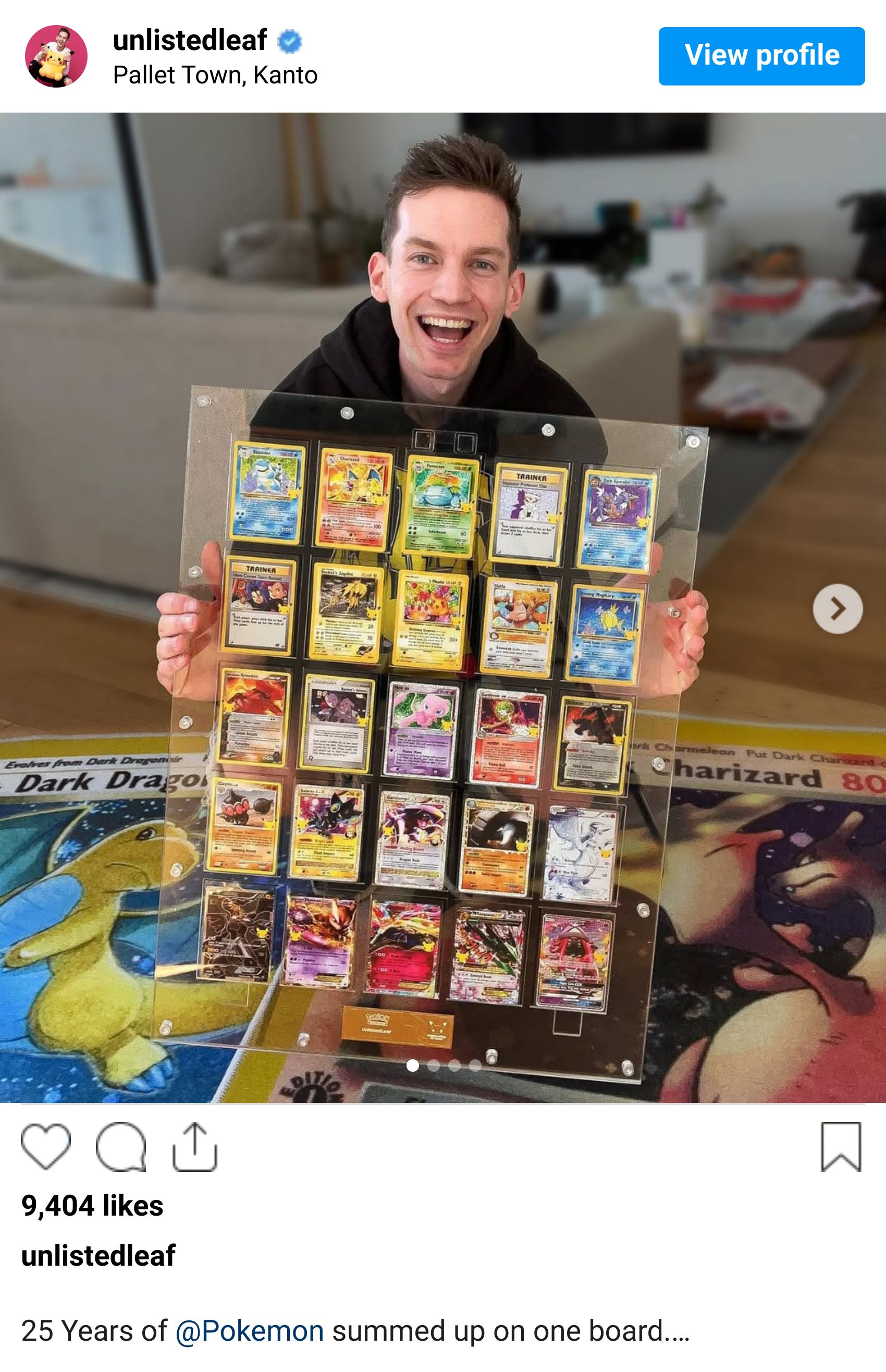
In 2026, the trend has shifted toward Niche Comfort Creators which are hyper-specific communities over creators with large but generic reach.
Live selling or social commerce on WhatNot and eBay Live has made influencers a primary point of sale, with cards selling out immediately after being highlighted.
Also worth noting: 86% of creators now use generative AI for workflow automation and content optimization, allowing smaller channels to produce cinematic-quality content. The production floor has dropped. The bar for engagement has not.
The messy parts (because marketing leaders need the full picture)
This case study would be incomplete without acknowledging what is genuinely broken about this market.
1. The retail failure
Retail availability could be described as the single greatest point of failure in the ecosystem as of early 2026. Online stores sell out in seconds. Local game stores receive fractions of their requested allocations.
TPCi issued a statement claiming they were actively working on reprints. A year later, shelves remain empty. TPCi has experimented with anti-scalping moves including using digital waiting rooms but the demand-supply imbalance persists.
One UK retailer, GAME, was accused of scalping their own stock by attaching GBP 19.99 delivery fees to sought-after mini-tins.
The lesson: scarcity that feels deliberate builds hype. Scarcity that feels like negligence builds resentment.

2. The consolidation risk
In late 2025, PSA’s parent company Collectors Universe acquired Beckett (BGS), consolidating the two largest grading companies under one roof.
PSA processed over 19.26 million cards in 2025, 90,000 daily, and responded by raising prices significantly in February 2026. The cheapest tier now starts at USD 24.99 for a 95-business-day turnaround.
This opened a meaningful gap for competitor CGC Cards, which grew 121% year-over-year by offering faster turnarounds and a Pristine 10 grade perceived as harder to achieve.
Market consolidation creates challenger opportunities. Always.
3. The volatility
Some of the secondary market price movements here are extreme. The Moonbreon (Umbreon VMAX from Evolving Skies) peaked above USD 2,000 in September 2025 and slid to USD 1,800 by January 2026 as sales dried up at the higher threshold.
Mega Gardevoir ex dropped 25% from its initial hype peak. Coordinated investment groups have executed overnight buyouts of 90% of TCGPlayer inventory for specific promos and one coordinated effort pushed a 1st Edition Fossil Kabuto from USD 7 to USD 44 in weeks.

The speculation layer creates volatility that can shake casual collector confidence. Long-term brand health depends on the ecosystem remaining accessible to non-speculators which is where TPCi’s distribution failures are genuinely dangerous.
7 takeaways for marketing leaders
1. Design the digital layer to amplify physical desire
TCG Pocket did not replace physical cards. It pre-sold them to 100 million people. If you have a physical product, your digital experience should be the taste that makes people crave the real thing.

2. Engineer multi-tiered scarcity, not just exclusivity.
The Pokemon ecosystem captures value from USD 1 packs all the way to USD 1,800+ chase cards. Scarcity that is only accessible to high spenders creates resentment. Scarcity that is stratified, where everyone has a shot at something exciting, sustains broad participation and word-of-mouth at every price point.

3. Anniversary moments are infrastructure, not calendar events.
Plan your milestone moments as full ecosystem activations, not single-channel pushes. The 30th anniversary is not a single campaign. It is a coordinated multi-platform activation designed to reach different demographics simultaneously.

4. Niche creators outperform broad reach in saturated categories.
Prioritise hyper-specific creator communities over large generic audiences. A vintage-only Pokemon card channel with 50k deeply invested followers outperforms a lifestyle channel with 2M casual ones. Audit your influencer strategy for depth of audience relevance, not just reach.

5. Demand engineering without access engineering is a brand liability.
When TPCi successfully created demand without corresponding access, the result was a scalper economy, mainstream resentment, and a growing perception that the product is for speculators rather than fans. Build desire together with a path to purchase. .

6. Market consolidation is always a challenger opportunity.
When PSA raised prices after acquiring Beckett, CGC Cards grew 121% by offering faster, more accessible grading. Watch for consolidation in your competitive landscape. It almost always leaves a gap for a challenger who moves on cost, speed, or accessibility.

7. The core loop is the product.
TCG Pocket’s success is attributed to its Core Loop Chemistry - beautiful pack-opening animations every 12 hours and a simplified but strategic battle system. The emotional experience of the loop is what retains 35 million monthly active users.
What is the core loop of your product experience? Is it designed to be inherently repeatable and emotionally satisfying, or is it just functional?

So… is it a bubble?
Maybe. Some analysts think the peak of the current boom cycle passed in late 2025 and that a couple years of stagnation may follow the anniversary high.
Others argue that new price floors have been established and that cheaper debt in late 2026 will drive another price explosion. Nobody actually knows.
What we do know is that this is one of the most instructive brand ecosystems operating today, bubble or not.
